
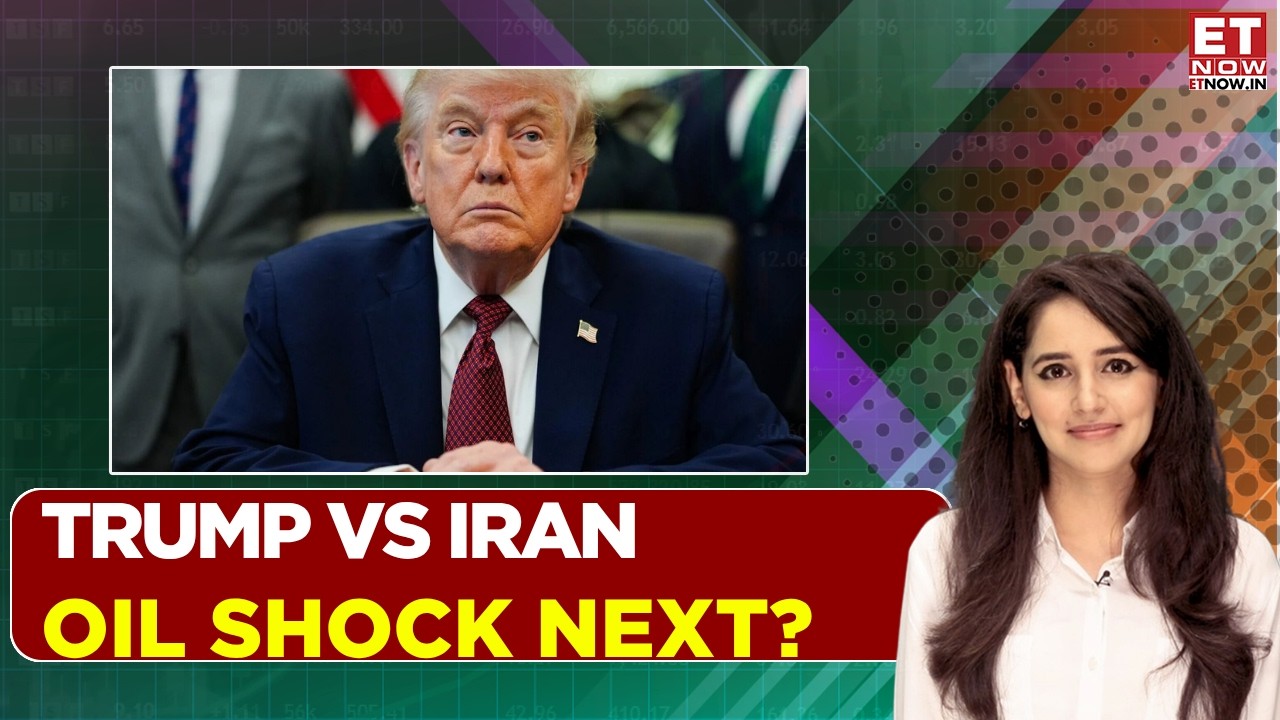
Summary
The crucial [[Strait of Hormuz|Strait of Hormuz]] remains a flashpoint as **Iran** has presented a new offer to the **Trump administration**. This proposal, reportedly involving reopening the strait, is being met with cautious deliberation by the U.S., with [[Donald Trump|President Trump]] himself reportedly mulling the details. The situation is complicated by rising [[oil prices|oil prices]], a direct consequence of the ongoing geopolitical instability in the region. The offer's timing and substance have placed the Trump administration in a diplomatic bind, balancing potential de-escalation against the risk of appearing weak or falling into a trap. The outcome of these deliberations could significantly impact global energy markets and regional security dynamics. While the specifics of Iran's offer remain largely undisclosed, the implication of reopening the Strait of Hormuz, a vital chokepoint for global oil shipments, suggests a potential shift in Iran's strategy. This move comes amidst heightened tensions and previous confrontations, including alleged attacks on oil tankers and drone incidents. The administration's response will be closely scrutinized, with implications for its broader foreign policy objectives and its relationship with allies in the [[Middle East|Middle East]].
Key Takeaways
- Iran has made a new offer to the Trump administration concerning the Strait of Hormuz.
- The offer is reportedly linked to reopening the strait and delaying further action.
- Rising oil prices are a direct consequence of the ongoing tensions.
- The Trump administration is currently deliberating on how to respond to Iran's proposal.
- The situation creates a diplomatic 'limbo' with significant global economic and security implications.
Balanced Perspective
The current situation is characterized by uncertainty. Iran has made an offer, and the [[Trump administration|Trump administration]] is considering it. The exact terms of the offer, Iran's true intentions, and the potential consequences of acceptance or rejection are not yet clear. The rising [[oil prices|oil prices]] underscore the immediate economic impact of these geopolitical tensions, but a definitive path forward remains elusive as deliberations continue.
Optimistic View
Iran's offer to reopen the Strait of Hormuz, if genuine, presents a significant opportunity for de-escalation. A diplomatic breakthrough could stabilize [[oil prices|oil prices]], reduce regional military posturing, and pave the way for broader negotiations. This could be a strategic win for the [[Trump administration|Trump administration]], demonstrating its ability to achieve peace through firm but pragmatic diplomacy, potentially leading to a more secure global energy supply.
Critical View
Iran's offer could be a sophisticated ploy to gain leverage or sow division among U.S. allies, while continuing its destabilizing activities. Reopening the Strait of Hormuz under duress might embolden Iran and signal a weakening of resolve from the [[Trump administration|Trump administration]], potentially encouraging further provocations. The risk of miscalculation remains high, with the potential for renewed conflict and further disruption to global energy markets.
Source
Originally reported by CBS News