
Summary
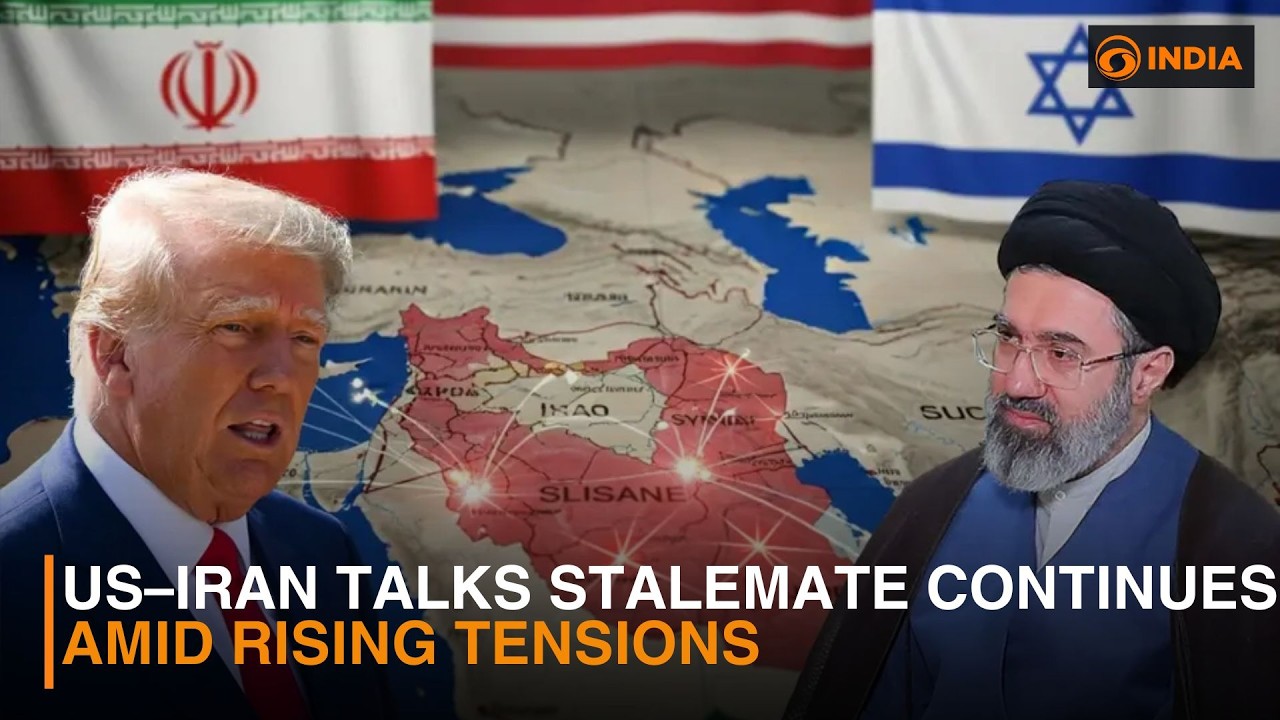
The ongoing **[[iran-war|Iran war]]** appears to be in a state of limbo, with **President Trump** reportedly considering a new offer from **Iran**. This development comes as **Defense Secretary Pete Hegseth** prepares to face congressional scrutiny over the war's escalating costs, munitions drawdown, and controversial incidents like the bombing of a school. The administration is simultaneously pushing for a historic **$1.5 trillion defense budget** for 2027, emphasizing the need for advanced weaponry like drones and missile defense systems. Democrats, however, are poised to challenge the war's justification, its lack of congressional approval, and its human toll, particularly the reported casualties among American troops from drone attacks that bypassed U.S. defenses. The situation in the **[[strait-of-hormuz|Strait of Hormuz]]**, a critical global oil chokepoint, remains tense, with implications for global energy prices and international stability.
Key Takeaways
- President Trump is reportedly considering a new offer from Iran, potentially impacting the ongoing war.
- Defense Secretary Hegseth faces congressional questioning regarding the war's costs and military readiness.
- The U.S. is proposing a record $1.5 trillion defense budget for 2027, amid criticisms of the Iran war.
- Concerns exist about U.S. defenses against Iranian drone attacks and their effectiveness.
- The Strait of Hormuz remains a critical point of tension with global economic implications.
Balanced Perspective
Details surrounding the Iranian offer remain scarce, making it difficult to assess its potential impact. The upcoming hearing with **Defense Secretary Pete Hegseth** will provide a platform for both the administration to justify its military spending and for critics to voice concerns about the **[[iran-war|Iran war]]**'s costs and effectiveness. The preparedness of U.S. defenses against drone swarms, as highlighted by recent incidents, is a critical operational question that requires clear answers.
Optimistic View
The Iranian offer, if genuine and substantial, could signal a de-escalation, potentially leading to a swift resolution of the **[[iran-war|Iran war]]** and a return to stability in the **[[strait-of-hormuz|Strait of Hormuz]]**. This could avert further U.S. casualties and allow for a redirection of resources from the **$1.5 trillion defense budget** towards domestic priorities. A successful diplomatic outcome would underscore **President Trump**'s negotiation prowess and secure a significant foreign policy victory.
Critical View
The 'limbo' state suggests a lack of clear progress, potentially prolonging a costly and controversial **[[iran-war|Iran war]]** that lacks broad congressional backing. The proposed **$1.5 trillion defense budget** could be seen as an escalation rather than a de-escalation, fueling regional tensions. The reported penetration of U.S. defenses by Iranian drones raises serious questions about military readiness and could embolden further aggression, leading to more American casualties and a heightened risk of wider conflict in the **[[strait-of-hormuz|Strait of Hormuz]]**.
Source
Originally reported by CBS News